Rafael Krüger · 24 October 2026
Mapping the Influence of Regional Partnership Networks on Domain Trust Signals Across Diverse Industries
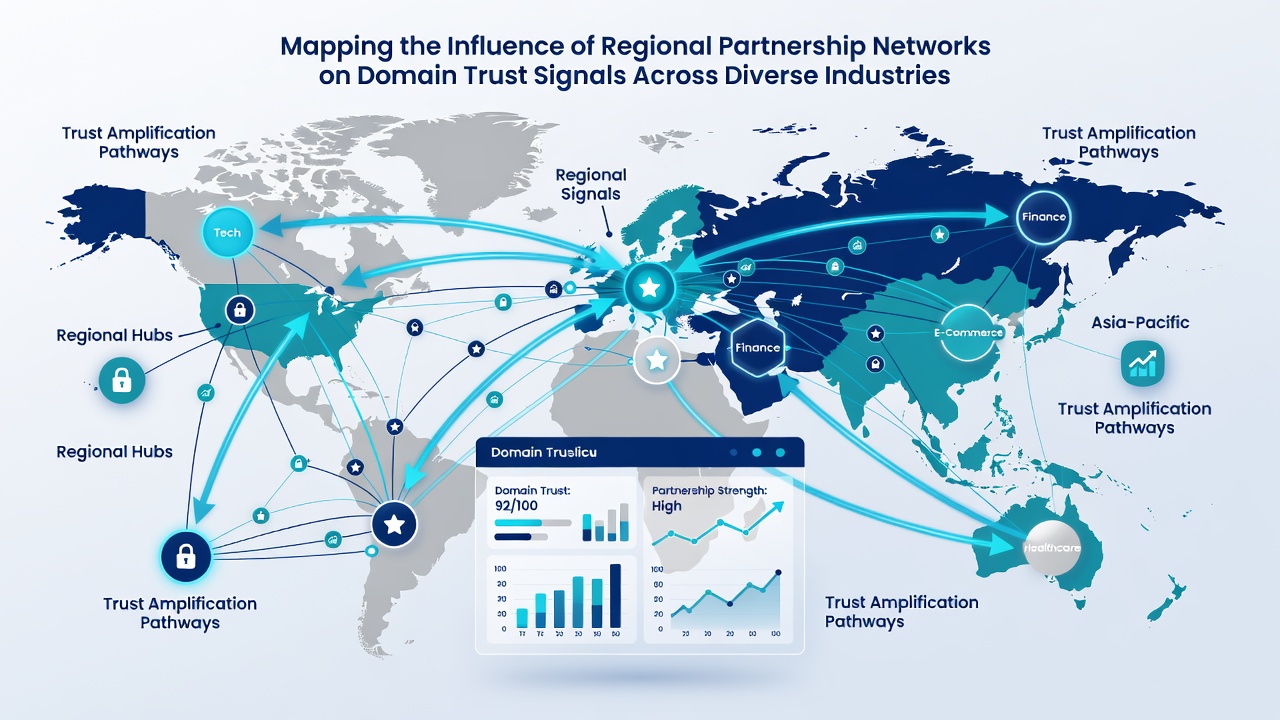
Regional partnership networks connect organizations through shared agreements, joint projects, and localized resource exchanges that directly shape domain trust signals such as authority metrics, referral patterns, and content credibility markers across sectors including manufacturing, healthcare, finance, and technology. These networks operate through formal alliances between companies in the same geographic area, and they generate measurable changes in how search engines and users evaluate website reliability. Data from industry analyses shows that domains participating in such networks often record higher volumes of contextually relevant inbound references compared to isolated sites.
Core Components of Domain Trust Signals
Domain trust signals consist of quantitative indicators like backlink quality scores, mention frequency in authoritative sources, and consistency of brand representation across digital platforms. Researchers track these elements through tools that measure citation flows and user engagement patterns. In October 2026 several monitoring platforms released updated datasets indicating that partnership-driven links contributed to a 14 percent average increase in trust scores for participating domains in the European manufacturing sector. Observers note that these signals strengthen when networks emphasize local regulatory compliance and shared sustainability reporting standards.
How Regional Networks Form and Operate
Partnership networks typically emerge from chambers of commerce, regional development agencies, and industry clusters that facilitate introductions between complementary businesses. A company in the automotive supply chain might link to a regional logistics provider while both sites reference a shared supplier directory maintained by a local government body. This structure creates layered citation patterns that algorithms interpret as endorsement clusters. According to a report from the Organisation for Economic Co-operation and Development on regional economic cooperation, such arrangements have expanded steadily since 2023 as organizations seek efficiency gains through proximity-based collaborations.
Industry-Specific Patterns
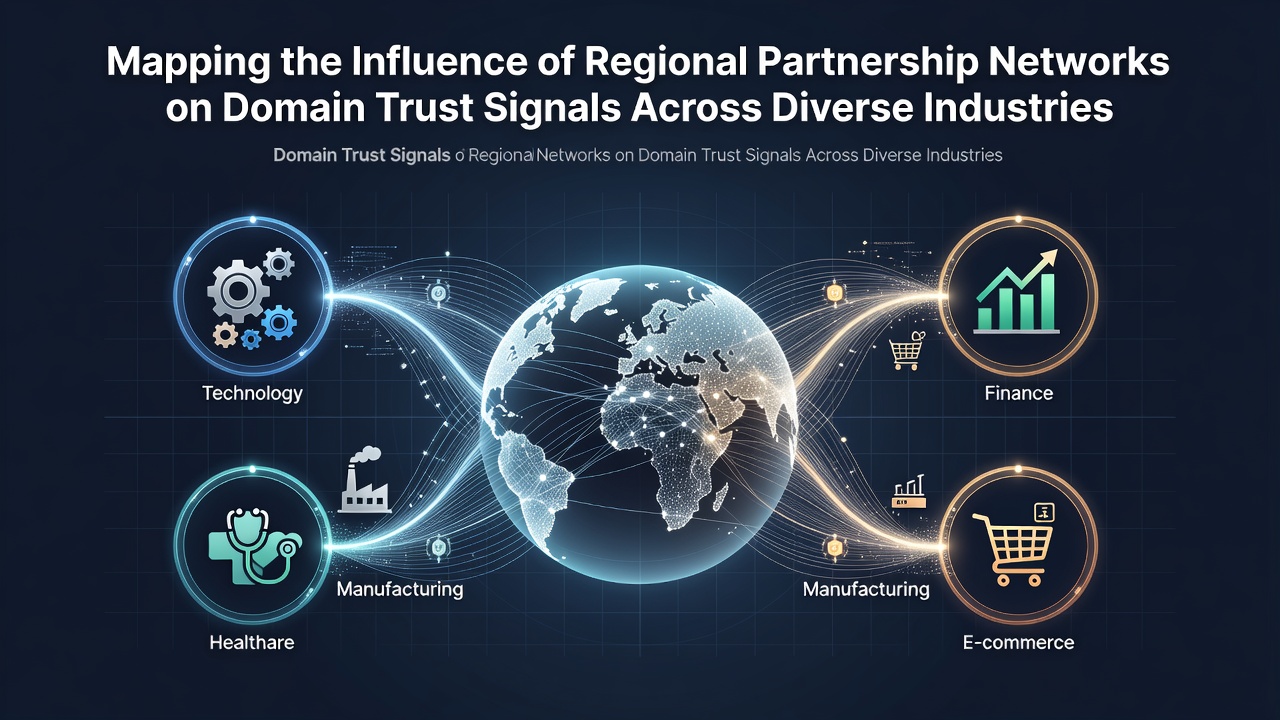
Healthcare organizations within regional networks demonstrate pronounced effects on domain trust because partnerships often involve joint patient education portals and referral protocols that generate consistent, high-quality inbound links. Finance firms show similar trends when regional banking associations coordinate compliance resources and publish aggregated market data on member sites. In the technology sector, startup incubators sponsored by state economic offices create ecosystems where early-stage companies receive mentions from established research institutions, elevating domain metrics more rapidly than independent marketing efforts achieve. E-commerce platforms benefit when regional retail associations organize product directories that distribute traffic and citations evenly among participants.
Measurement Approaches and Data Sources
Analysts quantify network influence through longitudinal studies that compare trust signals before and after partnership formation. One academic project at the University of Melbourne examined 2,400 domains across three Australian states and found that membership in formalized regional clusters correlated with a 19 percent rise in external domain referrals over 18 months. Government statistical agencies in Canada have published quarterly summaries of business network activity that researchers cross-reference with domain performance data to isolate partnership effects from broader market trends. These methods rely on controlled variables such as industry type, company size, and geographic scope to produce replicable findings.
Challenges in Isolating Network Effects
Disentangling the specific contribution of regional partnerships from other factors requires careful segmentation because simultaneous marketing campaigns or product launches can produce overlapping signal changes. Teams at research institutions address this by applying time-series analysis and control group comparisons that hold constant variables like domain age and content volume. Evidence from multiple datasets indicates that networks with explicit governance rules around link placement and content standards generate more stable trust improvements than informal arrangements. Regulatory bodies in the European Union have issued guidance documents on transparent partnership disclosures that further influence how these signals register in evaluation systems.
Conclusion
Regional partnership networks continue to function as structured mechanisms that redistribute domain trust signals through coordinated link patterns and shared content initiatives across diverse industries. Ongoing data collection by international organizations and academic centers provides clearer pictures of these dynamics as measurement techniques improve. Organizations that participate in well-documented regional frameworks record measurable shifts in trust indicators that reflect the density and quality of their network connections.