
Alex Koch · 12 September 2026
How Platform Integrations Shape Visibility Metrics in Competitive Digital Spaces
Platform integrations connect content management systems with search engines, social networks, and analytics tools, which directly alters how visibility metrics such as impressions, click-through rates, and engagement scores get calculated in competitive online environments. Researchers tracking digital markets have documented that these connections allow data to flow between services, yet they also introduce variables that change ranking algorithms and audience reach calculations over time.
Core Mechanisms of Integration
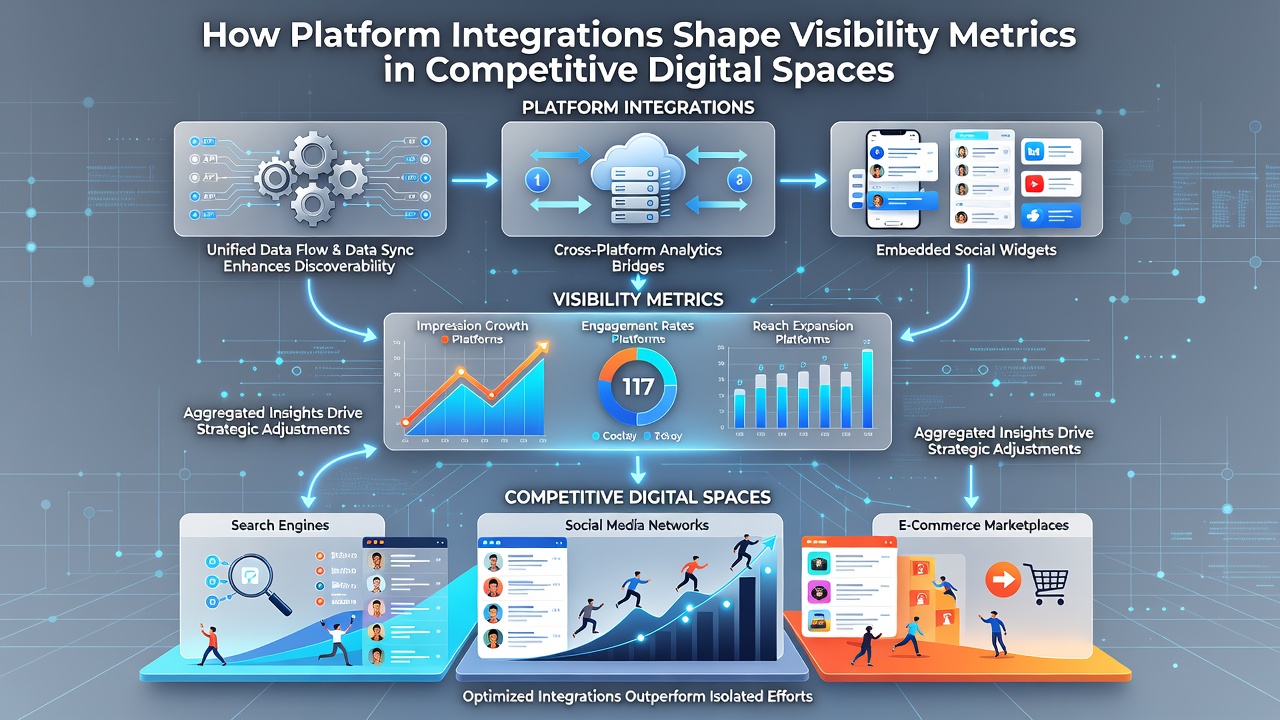
Integrations typically occur through APIs that link websites to platforms like Google Search Console or various social media networks, and data shows that once these links activate, metrics begin to reflect cross-platform signals rather than isolated site performance. Observers note that a single integration with an analytics suite can pull in referral data from multiple sources, which then feeds back into visibility scores while algorithms adjust rankings based on combined user behavior patterns. This process creates feedback loops where initial visibility gains from one platform influence how content appears elsewhere, and studies from academic institutions confirm that sites using multiple integrations often experience metric fluctuations tied to external policy changes rather than internal optimizations alone.
Those who monitor competitive digital spaces point out that integrations with advertising networks add another layer, because they tie visibility metrics to bid data and audience segmentation tools. Figures from industry reports reveal that in regions with strict data regulations, such integrations must comply with consent requirements, which can limit the scope of tracked metrics and reduce apparent reach compared to less regulated markets.
Effects on Search and Algorithmic Visibility
Search visibility metrics respond quickly when platforms integrate with indexing services, and evidence suggests that deeper connections lead to faster updates in crawl frequency while also exposing sites to shared ranking factors across ecosystems. For instance, integration with video platforms can boost textual content visibility through embedded signals, yet it simultaneously risks diluting metrics if duplicate content flags trigger across services. Data from regulatory analyses indicates that companies operating in the European Union have seen visibility scores shift after compliance updates to the Digital Services Act, which altered how integrated platforms report reach and engagement statistics.
Cross-Platform Metric Interactions
Social integrations shape visibility by feeding engagement data back into search algorithms, and researchers have observed that likes, shares, and comments from integrated accounts contribute to broader reach calculations in competitive niches. This interconnection means a spike in one channel often correlates with improved metrics elsewhere, though the reverse holds true when platform policy adjustments limit data sharing. In September 2026, scheduled updates to certain social APIs are expected to standardize reporting formats, which could stabilize visibility metrics for integrated sites while reducing discrepancies that currently arise from mismatched data schemas.
Competitive digital spaces amplify these effects because multiple entities vie for the same audience pools, and integration depth becomes a deciding factor in sustained visibility. Those studying market dynamics have found that smaller operators relying on third-party connectors sometimes record lower metric consistency than larger entities with direct platform access, largely due to intermediary processing delays that affect real-time reporting.
Regional Variations and Regulatory Influences
Visibility metrics in competitive environments vary by geography because integration requirements differ across jurisdictions, and reports from the Australian Competition and Consumer Commission highlight how local data localization rules influence how platforms aggregate and display reach statistics. Similar patterns appear in Canadian analyses of digital marketplaces, where integrated tools must align with privacy frameworks that restrict certain cross-border data flows and thereby alter measured audience sizes.
Academic studies further demonstrate that integration with emerging platforms, such as short-form video services, introduces new metric categories like watch time and completion rates that feed into traditional search visibility scores. Observers tracking these trends note that organizations adopting early integrations often gain temporary advantages in competitive rankings, although sustained benefits depend on ongoing compatibility with platform changes.
Conclusion
Platform integrations continue to redefine visibility metrics by linking disparate data streams and exposing sites to shared algorithmic influences across competitive digital spaces. Evidence from multiple regulatory and research sources shows that these connections produce both opportunities for expanded reach and constraints tied to compliance and technical compatibility. As updates scheduled for September 2026 approach, organizations monitoring these developments will likely see further standardization in how metrics are reported and compared across integrated environments.